

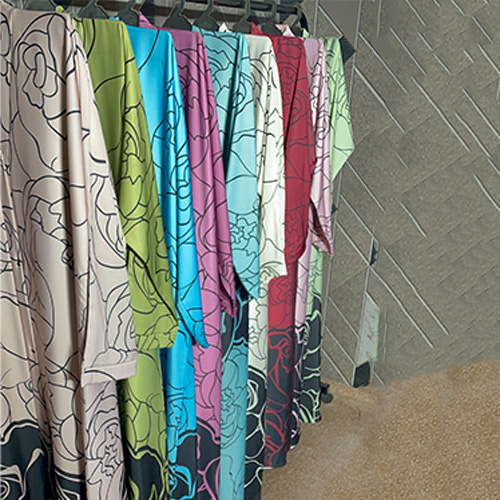
Starting an abaya brand can be an exciting step, especially with the growing demand for modest fashion around the world. Today, customers are not only looking for clothing that offers coverage, they also want pieces that feel comfortable, look elegant, and match their lifestyle.
Whether you want to start a small online store, launch a private label abaya business, or build a complete modest clothing brand, the right planning and manufacturing support can help you begin with confidence.
Why Modest Fashion Is Growing Globally
Modest fashion is growing globally because customers now want more variety, better designs, and clothing that reflects both style and values. Abayas, modest dresses, hijab sets, kaftans, co-ord sets, and prayer wear are now part of a wider fashion movement.
Women today want outfits they can wear to work, university, events, travel, family gatherings, and daily routines. This demand has created opportunities for new brands, boutiques, and retailers to enter the modest wear market.
How to Start an Abaya Brand
If you are wondering how to start an abaya brand, begin by deciding what type of brand you want to build. Your collection can focus on casual abayas, luxury abayas, formal abayas, prayer abayas, or a mix of everyday and occasion wear.
The next step is to understand your target customer. Are you designing for women who prefer simple daily wear, premium embroidered abayas, trendy open abayas, or complete hijab and abaya sets? Once your audience is clear, it becomes easier to select designs, fabrics, pricing, and branding.
You should also plan your brand name, logo, labels, packaging, size range, website, product photography, and social media presence. These details help your brand look professional from the beginning.
How to Launch a Modest Clothing Brand
Learning how to launch a modest clothing brand is about more than just creating products. You need a clear identity, reliable production, good quality, and a smooth customer experience.
It is better to start with a focused collection instead of launching too many designs at once. A strong first collection can include black abayas, open abayas, closed abayas, modest dresses, and hijab and abaya sets.
Once your products are ready, invest in clean product photography, clear size guides, simple product descriptions, and a professional online presence. Customers trust brands that look organized and deliver what they promise.
How to Choose an Abaya Manufacturer
Knowing how to choose an abaya manufacturer is one of the most important parts of starting your brand. Your manufacturer will directly affect the quality, fitting, finishing, and delivery of your products.
Before finalizing a manufacturer, check their stitching quality, fabric knowledge, sample process, minimum order quantity, customization options, production capacity, and delivery timeline.
A good manufacturer should understand your vision and guide you honestly. They should be able to suggest suitable fabrics, explain production limitations, and help you create pieces that match your brand standards.
How Abayas Are Manufactured
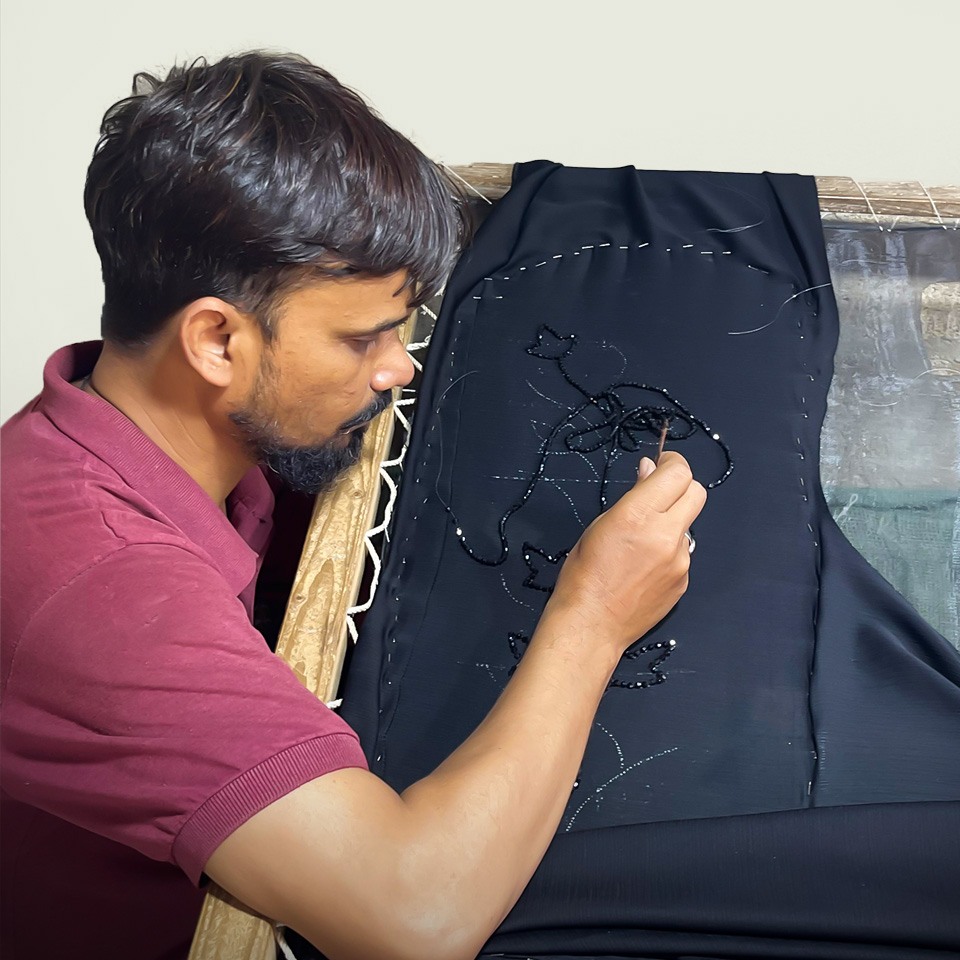
Understanding how abayas are manufactured can help you manage your business better. The process usually starts with design planning and fabric selection. After that, patterns are created based on the required size and style.
Once the pattern is ready, the fabric is cut, stitched, finished, checked for quality, ironed, packed, and prepared for delivery. For private label orders, the manufacturer may also add brand labels, tags, and custom packaging.
When you understand this process, it becomes easier to communicate with your manufacturer and avoid mistakes during production.
Best Fabrics for Abayas
Choosing the best fabrics for abayas depends on the design, season, customer preference, and price point. Common fabric options include nida, crepe, linen, chiffon, georgette, satin blends, and lightweight polyester blends.
For daily wear, comfortable and breathable fabrics are usually preferred. For formal abayas, fabrics with a soft fall and elegant finish work better. For premium collections, the fabric should feel refined, durable, and easy to style.
How to Select Fabric for Modest Wear
Knowing how to select fabric for modest wear is important because fabric affects the comfort, coverage, flow, and overall look of the outfit.
For warm weather, lightweight and breathable fabrics are a good choice. For prayer wear, the fabric should be soft, loose, and comfortable. For formal wear, chiffon, satin blends, embroidered fabrics, and textured materials can give a more polished look.
The right fabric should not only look good in photos but also feel good when worn.
Difference Between Open and Closed Abaya
Many customers want to understand the difference between open and closed abaya styles before buying.
An open abaya is designed like a long outer layer. It is usually worn over an inner dress, modest co-ord set, or casual outfit. This style gives more flexibility and is popular among customers who like modern layering.
A closed abaya is stitched from the front and can be worn as a complete outfit on its own. It is practical, comfortable, and easy to wear for daily routines, work, university, travel, and prayer.
Both styles are useful for an abaya brand because they serve different customer needs.
Abaya Trends 2026
Abaya trends 2026 are expected to focus on comfort, clean designs, premium fabrics, and versatile styling. Customers are moving toward pieces that can be worn in different ways and for different occasions.
Popular styles may include minimal black abayas, soft neutral shades, embroidered details, open abayas, kimono cuts, butterfly silhouettes, modest co-ord sets, and matching hijab and abaya sets.
For brands, this means the collection should feel stylish, practical, and easy to wear.
Modest Fashion Trends
Modest fashion trends are becoming more modern and lifestyle-focused. Customers want clothing that works for everyday wear, office looks, travel, events, and special occasions.
Some popular trends include ready-to-wear modest outfits, premium basics, breathable fabrics, neutral tones, layering pieces, co-ord sets, and complete modest wear sets.
Brands that understand these trends can create collections that feel relevant and useful for today’s customers.
Private Label Abaya Business
A private label abaya business is a good option for entrepreneurs who want to sell abayas under their own brand name without setting up their own factory.
In private label production, the manufacturer makes the abayas for you, and you add your own labels, tags, and packaging. This allows you to focus on branding, marketing, and selling while the manufacturer handles production.
This model is useful for startups, boutiques, online stores, influencers, and retailers who want to enter the modest fashion market professionally.
Wholesale Abaya Buying Guide
A wholesale abaya buying guide can help boutiques and retailers make better purchasing decisions. Before buying in bulk, always check the fabric quality, stitching, size range, design variety, pricing, delivery timeline, and packaging.
It is also smart to order samples before placing a large order. Samples help you check the fabric feel, fitting, finishing, and overall quality before investing in bulk stock.
For boutiques and retailers, wholesale buying is a practical way to offer variety without managing full production from scratch.
Final Thoughts
Starting an abaya brand takes planning, creativity, and the right production support. From understanding how abayas are manufactured to selecting the best fabrics for abayas, every step plays an important role in building a strong brand.
If you want to launch a modest clothing brand, begin with a clear vision, a focused product range, reliable manufacturing, and consistent quality. Whether you choose private label production, wholesale buying, or custom manufacturing, your goal should be to create modest wear that customers feel confident and comfortable wearing.
As modest fashion continues to grow globally, brands that focus on quality, comfort, and timeless design will have a better chance of building trust and long-term success.